The Global EV Revolution: What’s Next for Mobility?
The automotive industry is currently undergoing its most significant transformation since the invention of the internal combustion engine over a century ago. From the bustling streets of Shanghai to the motorways of the United Kingdom, the shift towards electrification is undeniable. But when we ask about the future of electric cars, we are really asking a much bigger question: what is the future of how we move?
Are electric cars the future of transport? The data, policy trends, and manufacturing investments suggest they are a central pillar of it. But the revolution is about more than just the drivetrain; it is about connectivity, infrastructure, and a fundamental change in our relationship with energy. The era of "filling up and driving on" is being replaced by an era of smart charging, grid integration, and integrated mobility ecosystems.
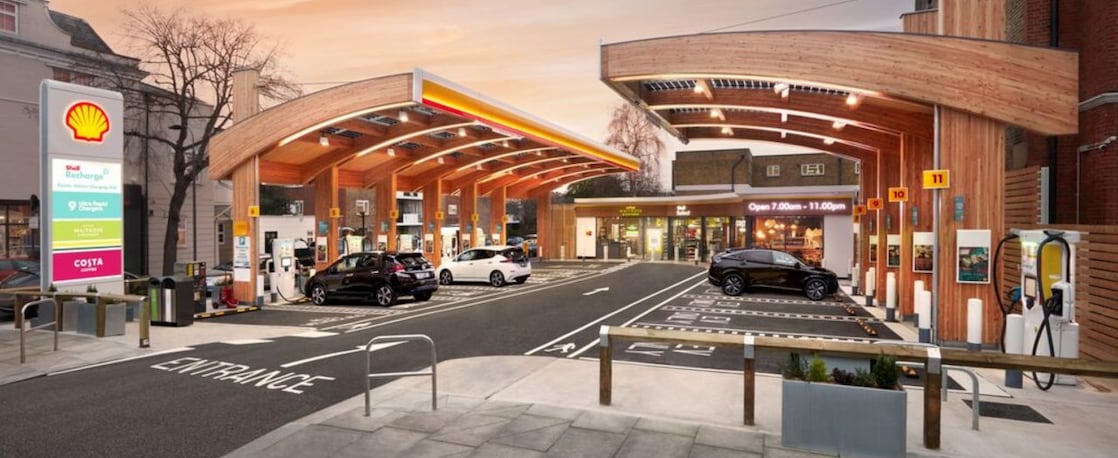
How EVs are Transforming Global Transport
The scale of the transition is vast and accelerating. Governments across Europe, Asia, and North America have set ambitious targets to phase out the sale of new petrol and diesel vehicles. This regulatory push has forced rapid innovation. We are seeing battery costs fall while energy density rises, making the future of electric cars accessible to a wider demographic, not just luxury buyers.
This shift is impacting global supply chains, from lithium mining in Australia to semiconductor manufacturing in Taiwan. It is reshaping economies that rely on automotive production, requiring new skills and new factories. We are moving from a mechanical industry, defined by pistons and gears, to a software and chemical industry, defined by code and cathodes.
The Role of Charging Infrastructure in EV Growth
You cannot have an electric revolution without the plugs to power it. The availability of charging points is often cited as the biggest barrier to adoption. The next decade will see a move from "coverage" (having a charger somewhere) to "density" (having enough chargers everywhere).
We are seeing the rise of diverse charging solutions that fit into the fabric of daily life:
- Destination Charging: Plugs at cinemas, gyms, and offices are integrated into daily routines.
- On-Street Residential: Solutions for the millions of drivers who do not have private driveways, such as lamp-post chargers or kerbside pop-up points.
- Rapid Hubs: High-speed corridors that enable long-distance travel without delay, mimicking the convenience of the traditional petrol station but with added amenities.
What Innovations Will Define the Next Decade?
The future of electric cars will be defined by integration and intelligence. It isn't just about the car; it's about the grid.
- Vehicle-to-Grid (V2G): Cars will act as mobile batteries. Imagine your car storing wind energy overnight when it is cheap and abundant, and then feeding it back to your home during peak hours to run your washing machine. This turns the EV from a load on the grid into an asset for the grid.
- Autonomous Driving: Electric platforms are easier for computers to control than combustion engines. This makes EVs the natural choice for self-driving technology, which promises to reduce accidents and manage traffic flow.
- Shared Mobility: The rise of electric robotaxis and car-sharing schemes could reduce the need for private car ownership in dense cities, shifting the focus from "my car" to "our mobility."
The Economic and Industrial Shift
The transition to EVs is also an industrial revolution. It is creating new "Gigafactories" for battery production and revitalizing manufacturing hubs. However, it also presents challenges. The demand for raw materials such as cobalt, nickel, and lithium is skyrocketing, prompting a focus on battery recycling.
"Circular economy" principles, in which old EV batteries are repurposed for stationary energy storage or recycled to build new batteries, will become standard practice in the next decade.
How Shell is Helping Drive an Alternative Mobility Future
Shell is transforming alongside the industry. We understand that the future requires a diverse mix of solutions. Through our Electric Vehicle Charging Solutions, we are building the network needed to support this mass adoption, ensuring that drivers are never far from a Shell EV charging point.
Simultaneously, we are working with businesses through Shell Fleet Solutions to help commercial operators navigate the transition to electric vehicles. From delivery vans to company cars, we provide the data, telematics, and infrastructure businesses need to keep moving efficiently. Where the road ahead is electric, paved with innovation, collaboration, and a commitment to a lower-carbon energy future.